
Are you tired of sourcing strategies that drain your budget and cause endless headaches? Inefficient suppliers and hidden costs can cripple your business. It's time to stop working harder and start sourcing smarter.
To source bakeware smarter, you must partner directly with a manufacturer, prioritize high-quality materials, consolidate your sourcing with one supplier, leverage OEM/ODM services for brand value, and insist on flexible MOQs. These five tips form a powerful guide to reducing costs and boosting efficiency.
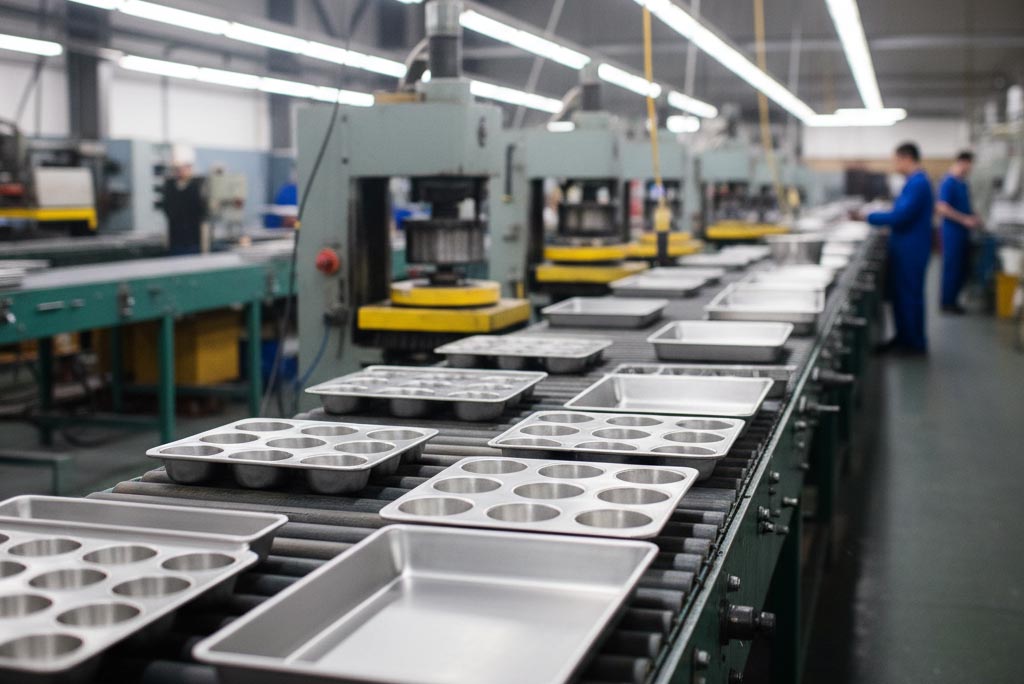
Sourcing bakeware often feels like navigating a minefield of unexpected costs and delays. As someone who has spent over 27 years in the stainless steel kitchenware industry, I've seen countless importers struggle with the same problems. The smartest buyers know that the lowest initial price rarely equals the best value. True success comes from building an efficient, transparent, and strategic supply chain. This guide shares five practical tips I've learned that will help you source smarter, cut long-term costs, and give your business a competitive edge.
Tip 1: Partner Directly with a Manufacturer to Cut Out Middlemen?
Working with trading companies adds unnecessary layers of cost and communication delays. This inefficiency eats into your margins and slows down your entire operation, a problem smart buyers avoid.
Going direct to a manufacturer is the smartest first step. It eliminates middleman markups, gives you a direct line to the production team, and offers greater control over quality, resulting in significant cost savings and a more responsive supply chain.
When you partner directly with a factory like INOXICON, you're not just a client; you're a collaborator. You speak directly to the engineers and production managers who are making your products. This clarity is a game-changer. It prevents costly misunderstandings about specs, materials, and timelines. Because we manage everything in-house—from sourcing raw materials to final packaging—we maintain complete cost control. This is why our partners find our pricing up to 80% more affordable for the same quality level compared to using traders. A direct partnership is a strategic move that provides transparency and builds a foundation for long-term success, something we've achieved with over 500 clients worldwide.
Direct Partnership Benefits
| Benefit | The Smart Advantage |
|---|---|
| Lower Costs | No middleman fees mean better margins for you. |
| Clear Communication | Direct access prevents errors and speeds up decisions. |
| Total Quality Control | We ensure every piece meets your standard, reducing defects. |
| Faster Turnaround | A streamlined process means faster delivery times. |
Tip 2: Prioritize Material Quality as a Long-Term Investment?
Opting for cheap materials might save you a few cents per unit initially, but it’s a shortsighted strategy. Low-quality bakeware that rusts, warps, or fails will lead to angry customers and costly returns.
A smart sourcing strategy prioritizes high-quality materials like food-grade stainless steel. This ensures product durability, reduces returns, meets safety standards like FDA and LFGB, and ultimately protects your brand reputation and profitability.

Think about the total cost of ownership, not just the purchase price. At INOXICON, we champion stainless steel for its superior durability, corrosion resistance, and timeless look. It’s an investment that pays off. I always advise our partners to consider the long-term financial impact of their material choices. The cost of handling customer complaints, processing returns, and managing negative reviews far outweighs the initial savings from using inferior materials. By ensuring your bakeware is made from premium, certified materials, you are building a reputation for quality that customers will trust. This is the smartest way to cultivate a loyal customer base and ensure sustainable growth. Choosing quality isn't an expense; it's a strategic investment in your brand's future.
Smart Material Checklist
- Durability: Does it resist warping, scratching, and rust?
- Safety Compliance: Is it certified food-grade (FDA, LFGB, REACH)?
- Performance: Does it offer even heat distribution and easy cleaning?
- Brand Image: Does the finish reflect premium quality?
Tip 3: Consolidate Your Sourcing to Boost Efficiency?
Juggling multiple suppliers for different products is a logistical puzzle that costs you time and money. More vendors mean more contracts, more communication channels, and more shipments to coordinate.
Consolidating your bakeware and kitchenware needs with a single, versatile manufacturer is a brilliant move. It streamlines your logistics, slashes shipping costs, and guarantees consistent quality across your entire product range, freeing you up to focus on growth.
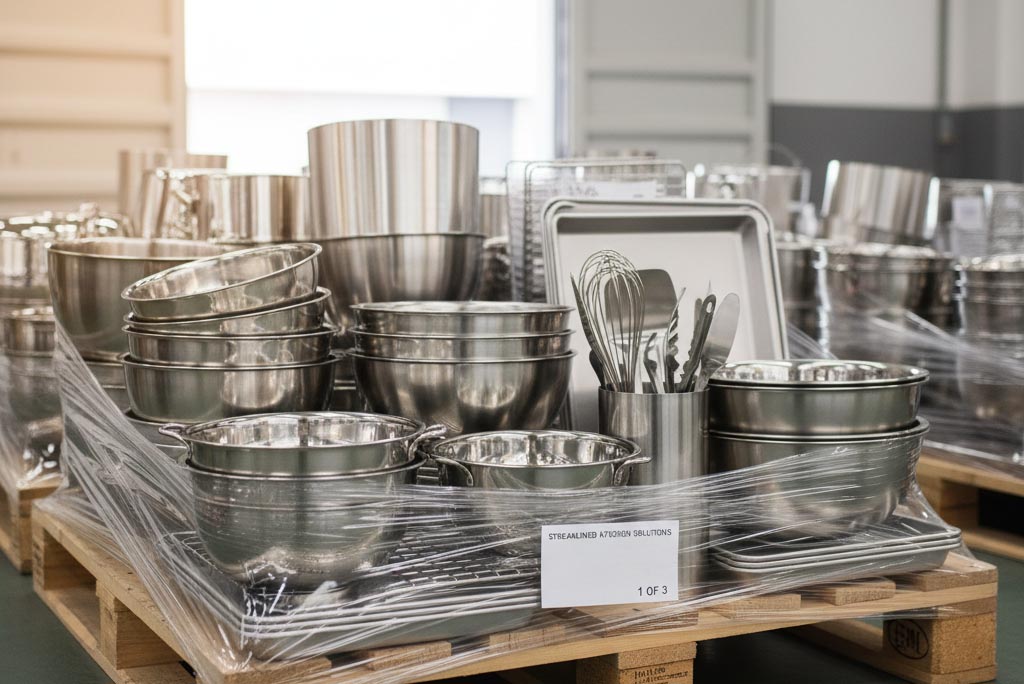
Think about the operational drag of managing three or four different suppliers. Now, imagine having one point of contact for your entire stainless steel kitchenware line. That's the efficiency we offer. Our factory is equipped to produce a wide array of products—from mixing bowls and colanders to bakeware and utensils. Our clients can build a diverse product line while dealing with just one trusted partner. This consolidation allows for combined shipments, which fills containers more effectively and drastically cuts per-unit shipping costs. I've personally seen clients reduce their administrative burden and simplify their entire import process by making this one smart change. It turns a complex supply chain into a streamlined, cost-effective operation.
The Power of One-Stop Sourcing
- Simplified Operations: One order, one invoice, one point of contact.
- Major Shipping Savings: Full containers lead to lower freight costs.
- Guaranteed Consistency: Your entire line shares the same quality DNA.
- A Stronger Partnership: Deepening one relationship leads to better service.
Tip 4: Leverage OEM/ODM to Create Unique Brand Value?
Many businesses avoid creating custom products, fearing high R&D costs. They settle for generic, off-the-shelf items, making it nearly impossible to stand out in a competitive marketplace.
Using a manufacturer's OEM/ODM services is a highly intelligent strategy. It allows you to develop unique, branded products by tapping into their design and engineering expertise, saving you from huge R&D expenses while creating items that justify a premium price.
The smartest way to increase profits is to create something your competitors don't have. This is where strategic product development comes into play. Our in-house team of five senior designers creates over 50 new designs annually, giving our partners a huge advantage. Through our OEM service, you can brand our existing innovative designs as your own. With ODM, we can co-create an entirely new product from your concept. This collaborative process allows you to innovate without the massive overhead of an internal R&D team. We've used this model to complete over 1,200 successful projects, helping our partners launch unique bakeware that captures market attention and builds lasting brand loyalty. It's about working smarter, not spending more.
OEM vs. ODM: A Smart Choice
| Service | Description | Strategic Goal |
|---|---|---|
| OEM | Brand our existing, market-tested designs as your own. | Fast market entry with a proven, high-quality product. |
| ODM | Collaborate with our team to create a brand-new product. | Differentiate and lead the market with true innovation. |
Tip 5: Use Flexible MOQs for Smarter Market Testing?
The fear of being stuck with thousands of units of an unsold product prevents many businesses from innovating. A high Minimum Order Quantity (MOQ) is a barrier to testing new ideas.
Insisting on a flexible, low MOQ is a core part of any smart sourcing strategy. It empowers you to test new bakeware in the market with minimal financial exposure, enabling you to make data-driven decisions before scaling up.
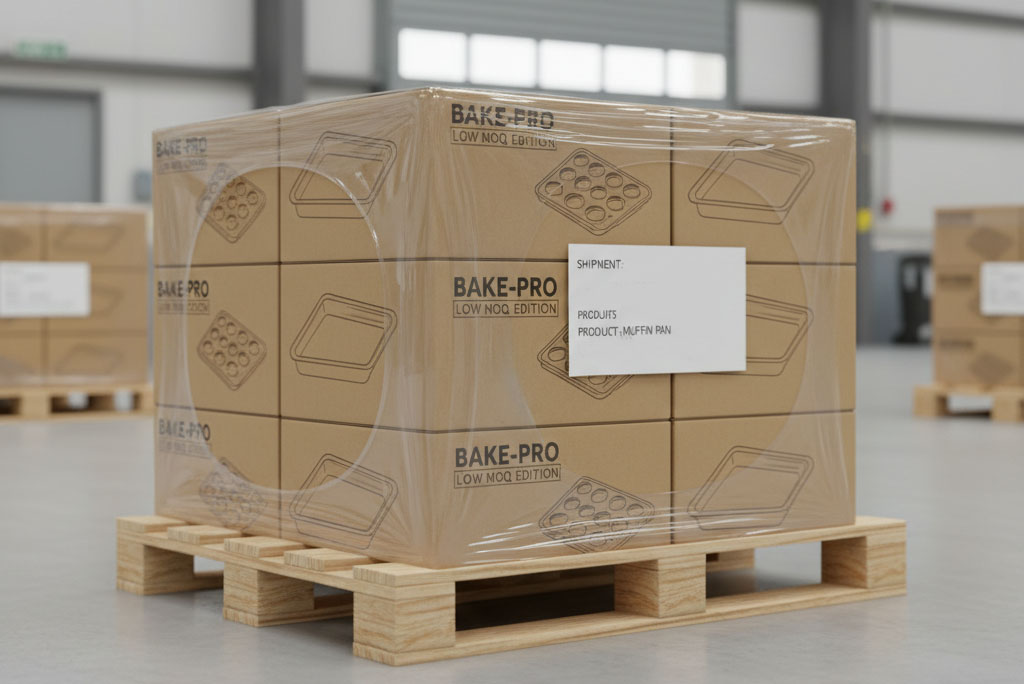
As a manufacturing partner, I believe our success is tied to yours. That’s why we offer low MOQs starting at 500 pieces. This isn't just a sales tactic; it's a strategic tool for our clients. A low MOQ de-risks innovation. It allows you to launch a new product, gather real-world sales data and customer feedback, and then decide whether to reorder, modify, or discontinue it. This agile approach prevents you from tying up precious capital in slow-moving inventory. It’s the intelligent way to build a product catalog—one proven winner at a time. This flexibility is designed to support ambitious brands, helping you grow sustainably by making informed, low-risk decisions.
Low MOQ: The Smart Business Advantage
- Minimized Financial Risk: Test new products without a huge upfront cost.
- Improved Cash Flow: Keep capital free for marketing and other growth activities.
- Quick Market Feedback: Launch fast and learn what your customers truly want.
- Data-Driven Inventory: Base large orders on proven sales, not guesswork.
Conclusion
Sourcing bakeware smarter means adopting a strategic mindset. By following these five tips, you can build an efficient, cost-effective, and resilient supply chain that fuels your brand's growth and profitability.