
The kitchenware market is changing faster than many importers expected. Products that looked modern five years ago now feel cold, generic, or too commercial for today's retail shelves.
In 2026, kitchen utensil demand is shifting toward warmer finishes, mixed materials, coordinated collections, and retail-friendly designs. Importers who understand these changes early may reduce product selection risk and improve retail competitiveness.
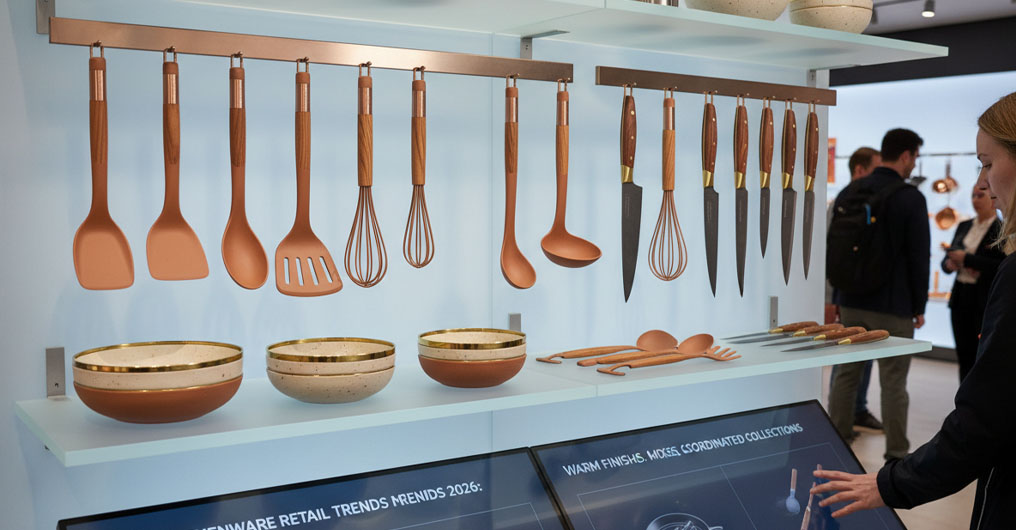
More retailers now want kitchen utensils that look good in modern kitchens, fit social media aesthetics, and feel more lifestyle-oriented instead of purely functional. This is changing how buyers select products, finishes, and suppliers. I have seen this shift happening across our client base over the past two years, and it's becoming impossible to ignore.
Why Are Retail Buyers Moving Away From Cold Commercial-Looking Kitchenware?
Many traditional stainless steel utensils still use heavy mirror polishing and highly industrial styling. The problem is that modern consumers increasingly prefer kitchens that feel warmer, softer, and more personal.
Retail buyers are now choosing brushed finishes, softer metallic textures, and mixed-material kitchen utensils because these products better match modern home lifestyles and retail presentation trends.
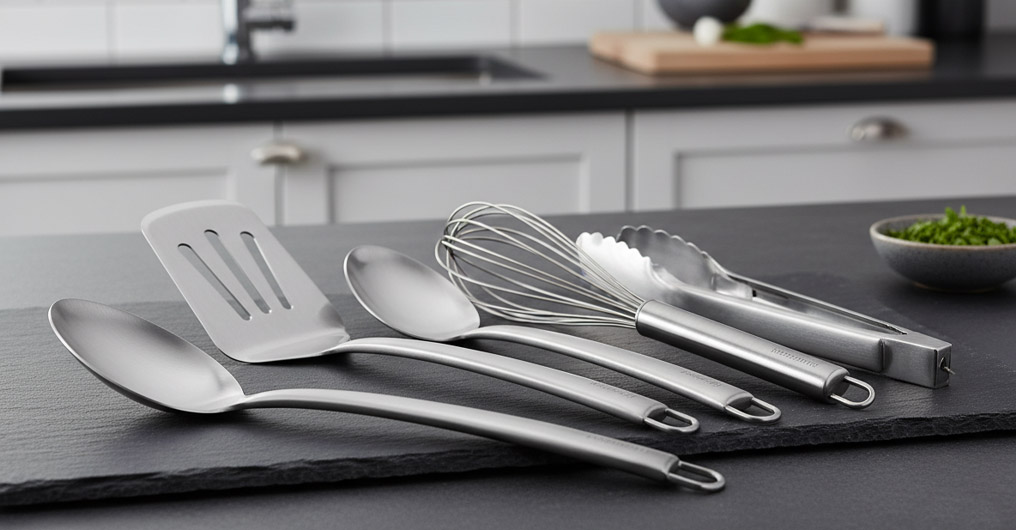
I remember when mirror-polished stainless steel was the gold standard for premium kitchenware. Every buyer wanted that perfect, reflective finish because it looked expensive and professional. But something shifted around 2023. Retailers started telling me their customers found these products too cold and restaurant-like for home kitchens.
The "warm kitchen styling" trend is driven by social media platforms like Instagram and Pinterest. Home cooks now share photos of their cooking process, not just the final dishes. This means kitchen tools need to look good in natural lighting and match the softer, more personal aesthetic that performs well online. Mirror polish creates harsh reflections and glare in photos, while brushed finishes photograph beautifully under any lighting condition.
Brushed stainless steel feels more modern because it combines durability with visual warmth. The subtle texture catches light differently, creating depth and softness that mirror polish cannot achieve. When I show both finishes to retail buyers, they consistently choose brushed options for lifestyle-oriented product lines. The finish also hides minor scratches and fingerprints better, which means products maintain their appearance longer on retail shelves and in customer homes.
Why Are Mixed-Material Kitchen Utensils Growing Faster in Retail Markets?
Consumers no longer want kitchens filled with only metallic or plastic products. Mixed-material utensils help kitchens feel more natural, modern, and visually balanced.
Kitchen utensils that combine stainless steel with wood, silicone, or matte handles are becoming more popular because they create stronger shelf appeal while still maintaining durability and practical daily use.
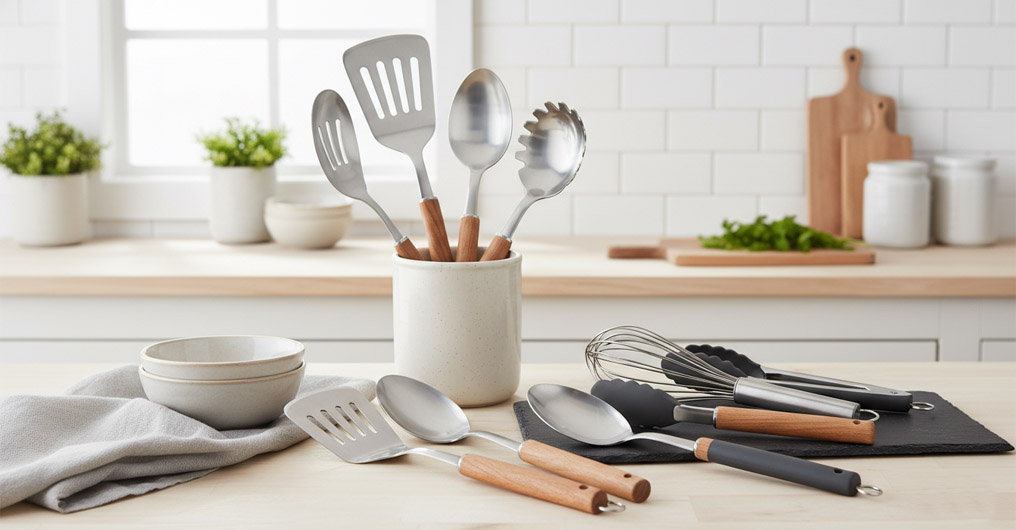
Kitchen utensils are becoming part of home decoration, not just cooking tools. I have noticed that many customers now leave their utensils visible on counters, in decorative holders, or hanging on walls. This means appearance matters as much as function. Mixed-material designs create visual interest and help kitchens feel more curated and personal.
The most popular material combinations I see retailers requesting in 2026 include stainless steel heads with warm wood handles, brushed metal with soft silicone grips, and matte metal combined with natural rope or leather details. These combinations work because each material serves a specific purpose while contributing to the overall aesthetic. Wood adds warmth, silicone provides comfort and grip, and rope or leather creates texture and personality.
Wood accents and matte handles increase perceived value because they suggest craftsmanship and attention to detail. When consumers see mixed materials, they assume more design work and manufacturing complexity went into the product. This perception allows retailers to command higher prices for what might be similar functionality. I have seen simple mixing spoons sell for 40% more when they include wooden handles compared to all-metal versions.
Mixed materials also help importers avoid generic product competition. It's much harder for competitors to copy unique material combinations and finishes compared to simple stainless steel designs. This gives retailers more exclusivity and helps maintain better profit margins across product lines.
Why Are Coordinated Kitchenware Collections Becoming More Important?
Retailers are no longer only buying single products. Many now prefer coordinated kitchenware collections that create a stronger visual identity across shelves and online stores.
Importers who offer matching finishes, consistent packaging, and unified product styling may gain better opportunities with supermarkets, homeware retailers, and e-commerce brands.
Collection-based selling is replacing isolated SKU selling because it increases average transaction value and customer satisfaction. When I work with retailers, they consistently tell me that customers who buy one item from a coordinated collection often return to purchase matching pieces. This creates repeat business and builds brand loyalty more effectively than random individual purchases.
Coordinated finishes improve retail presentation by creating visual flow across product displays. Instead of scattered individual items competing for attention, collections create cohesive sections that feel more premium and organized. Retailers can merchandise entire collection areas, making shopping easier for customers and increasing the likelihood of multiple purchases.
Matching utensil series help increase basket value because customers naturally want their kitchen tools to look coordinated. When someone buys a mixing spoon from a collection, they often purchase the matching whisk, tongs, and serving pieces during the same shopping trip. This bundling effect can increase average order value by 60-80% compared to individual item sales.
Retailers now expect OEM kitchenware suppliers to provide complete collection support, including matching packaging design, consistent product photography, and coordinated marketing materials. They want partners who understand retail presentation, not just manufacturing. This means suppliers need to think like brand developers, considering how products work together across entire product lines.
Why Is Affordable Premium Becoming the Biggest Retail Opportunity?
Consumers still want premium-looking kitchens, but many are also becoming more price-sensitive. Retailers are responding by searching for products that look more expensive without dramatically increasing retail prices.
Brushed stainless steel, neutral colors, textured finishes, and mixed-material utensils are helping brands create a premium appearance while maintaining accessible pricing.
Consumers now buy "visual value" as much as function because social media has made kitchen aesthetics more important than ever before. People want their cooking spaces to look like the beautiful kitchens they see online, but most cannot afford true luxury pricing. This creates a huge opportunity for products that deliver premium appearance at mid-range prices.
Matte and textured finishes often feel more premium today because they suggest sophistication and intentional design. Glossy surfaces can appear cheap or mass-produced, while matte finishes feel more curated and expensive. The psychology behind this is interesting - matte finishes require more manufacturing precision to achieve consistent quality, so consumers associate them with higher craftsmanship even when production costs are similar.
Retailers balance price pressure with premium presentation by focusing on finish quality and design details rather than expensive materials. A well-designed brushed stainless steel utensil with thoughtful proportions and smooth edges can feel more premium than a poorly designed product made from more expensive materials. This allows retailers to offer premium aesthetics at competitive prices.
Neutral tones are safer for international retail markets because they work across different cultural preferences and home décor trends. Colors like warm gray, sage green, and cream coordinate with most kitchen styles and photograph well for e-commerce platforms. This versatility reduces inventory risk for retailers and makes products more appealing to diverse customer bases.
What Should Kitchenware Importers Look for in Manufacturing Partners for 2026?
Retail trends now change faster than before. Importers increasingly need manufacturers that can support product updates, finish development, OEM customization, and lower-risk product launches.
Factories with strong design capability, stable finish quality, and flexible MOQ support may become more valuable as retail competition grows stronger.

Finish consistency is becoming more important for retail buyers because any quality variation can damage brand reputation and customer satisfaction. I have learned that retailers would rather work with suppliers who can deliver consistent brushed finishes at moderate pricing than suppliers offering lower prices with inconsistent quality. The cost of managing customer complaints and returns quickly exceeds any initial savings from cheaper manufacturing.
OEM and ODM flexibility now matters more than low pricing alone because retailers need partners who can adapt to changing trends quickly. Market conditions shift rapidly, and retailers need suppliers who can modify products, adjust finishes, or develop new designs without requiring massive minimum orders or long lead times. This flexibility helps retailers test new concepts and respond to consumer feedback more effectively.
Faster product development helps importers follow retail trends because the window for capitalizing on new aesthetic preferences is getting shorter. Suppliers who can move from concept to production samples within 30-45 days give their retail partners significant competitive advantages. This speed allows retailers to introduce trendy products while demand is still growing rather than arriving after markets become saturated.
Stable stainless steel quality still remains critical because durability and safety cannot be compromised for aesthetic improvements. Retailers understand that beautiful products with poor functionality will generate returns and negative reviews. The best manufacturing partners maintain consistent material quality while adding trendy finishes and design improvements that enhance both appearance and user experience.
Conclusion
Kitchenware trends for 2026 are no longer only about product function. Retail buyers now look for warmer finishes, coordinated collections, and lifestyle-oriented designs that better match modern consumer expectations.